

By Anna Carlson
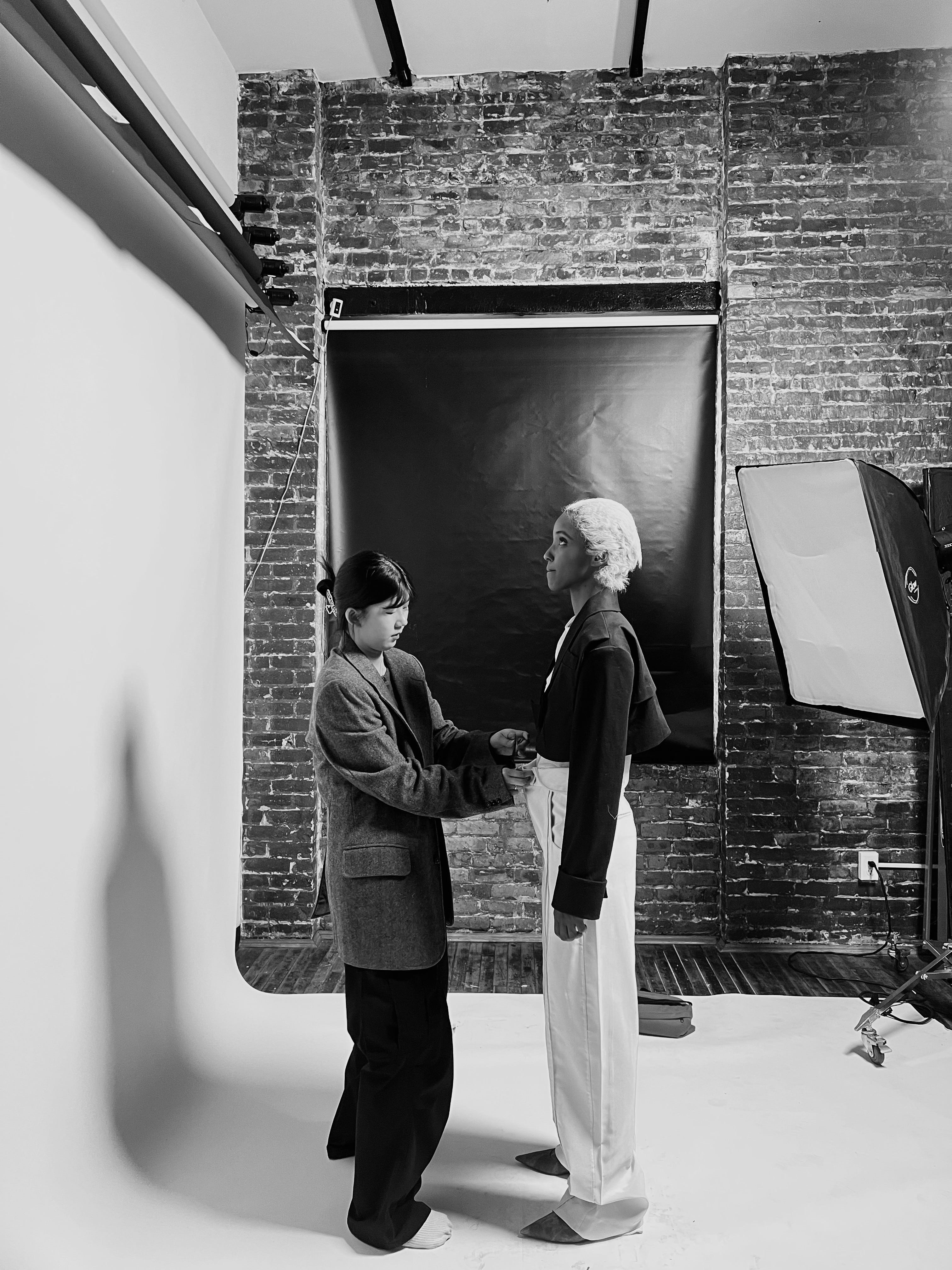
Art class. Celebrities. Nana. Mothers. Polyvore. The clothes, women, and media that made a generation of young girls decide they were into fashion. The fantasy only grew from there: runway shows, glossy campaigns, endless collections, and, one day, a line entirely their own.
Then comes graduation. Project Runway‘s “Make it work” stops sounding like a catchphrase and starts feeling like career advice. Applications pile up. Interviews become conversations about PLM systems, production calendars, and material budgets. The art is still there—it just lives much farther from the entry-level job than most students imagined.
For recent FIT graduates Alina Shrestha and Yoonjung Cho, getting hired hasn’t meant giving up on becoming designers. It’s simply changed what becoming one looks like.
Alina Shrestha, 24, a Nepali-born designer and Fashion Institute of Technology graduate, remembers exactly when fashion stopped feeling like school and started feeling like an industry.


“I feel like my career began when I got my first corporate internship, which was at Delta Galil,” she says. Working with a company producing for brands including Skims and Victoria’s Secret, she got her first look at the scale behind the clothes she’d admired growing up.
Since graduating, Shrestha has moved through technical design at J.Crew, hard accessories at American Eagle, and now handbag design at Ralph Lauren. Each role has narrowed her focus. “I thought I should pivot into handbag design because that’s more specialized,” she says. In a competitive job market, specialization became its own advantage.
Long before Ralph Lauren, though, there was Gofu Studio. Before FIT, Shrestha spent a gap year apprenticing in Kathmandu before launching her own label. “I wanted to produce my own stuff,” she says. Gofu became a way to translate Nepali craftsmanship into contemporary clothing. Her Cholo top and Taka trousers reinterpret traditional Nepali dress as elevated everyday pieces—”something that people could wear in New York or Kathmandu.”
Gofu hasn’t disappeared, but it had to hit pause. “The last time I made my collection was three years ago,” Shrestha says. School came first. Then work. Then the visa process. Like many emerging designers, her own label became the project squeezed between everything else.
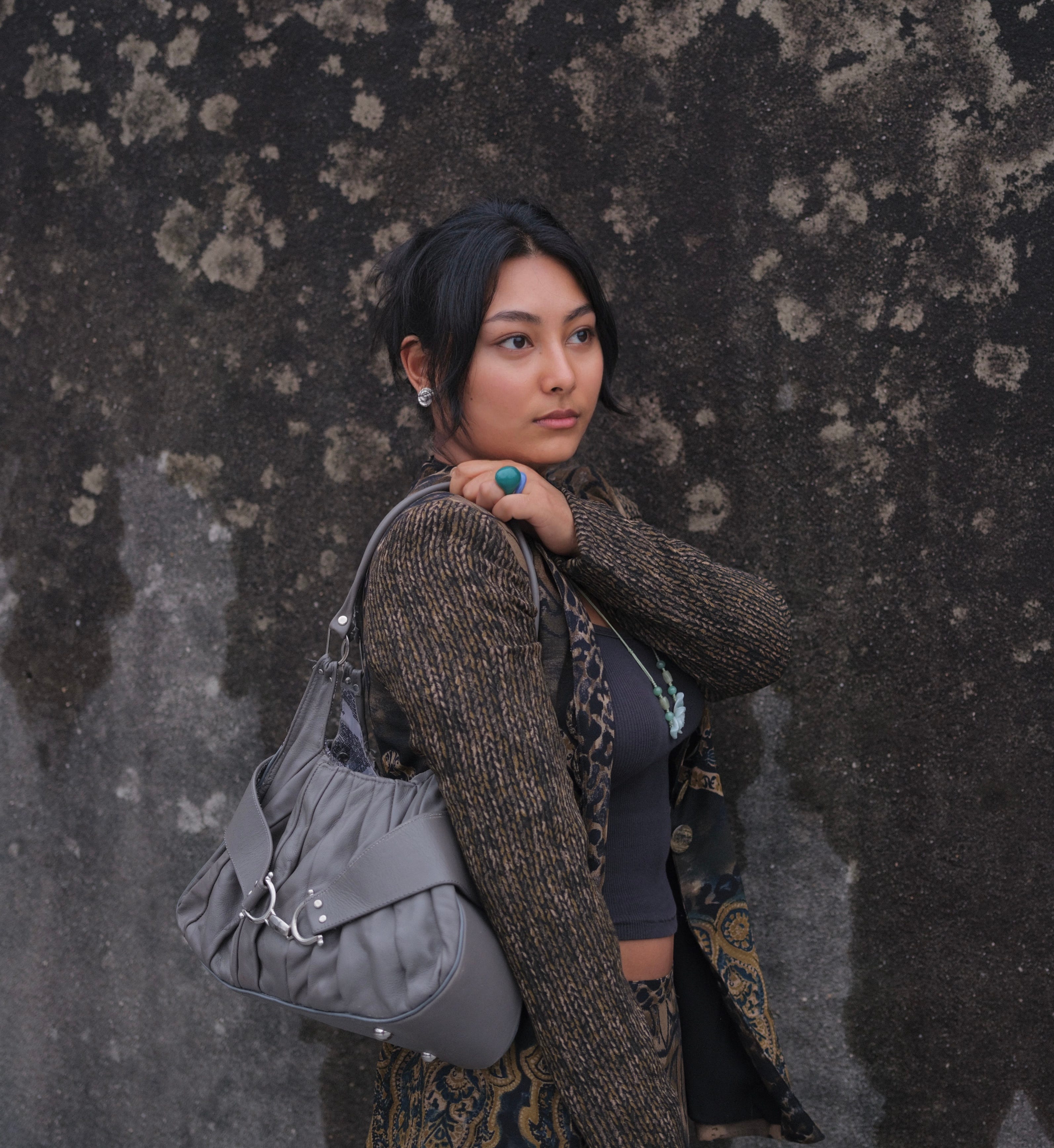
Still, she doesn’t resent the path. “It’s okay if the schools are pumping out employees, because we do need jobs after school,” she says.
Fashion school taught her how to design. Corporate fashion taught her how products actually get made. “In school, we’re taught to know everything,” Shrestha says. “When you go into the actual corporate world, you get to do a specific thing.”
Working in luxury accessories introduced her to an entirely different layer of the industry: leather sourcing, tanneries, embossing, crosshatching, embellishment techniques—the dozens of decisions that happen long after the sketch is finished. “I do want to apply those techniques for my own brand,” she says.
Her ambitions for Gofu have become more specific, too. Next come handbags. Then, hopefully, supplying independent boutiques across New York. “I would love to introduce Nepali craftsmanship in the New York industry,” she says. More than anything, she hopes the label can make space for a new generation of Nepali designers to imagine themselves there too.
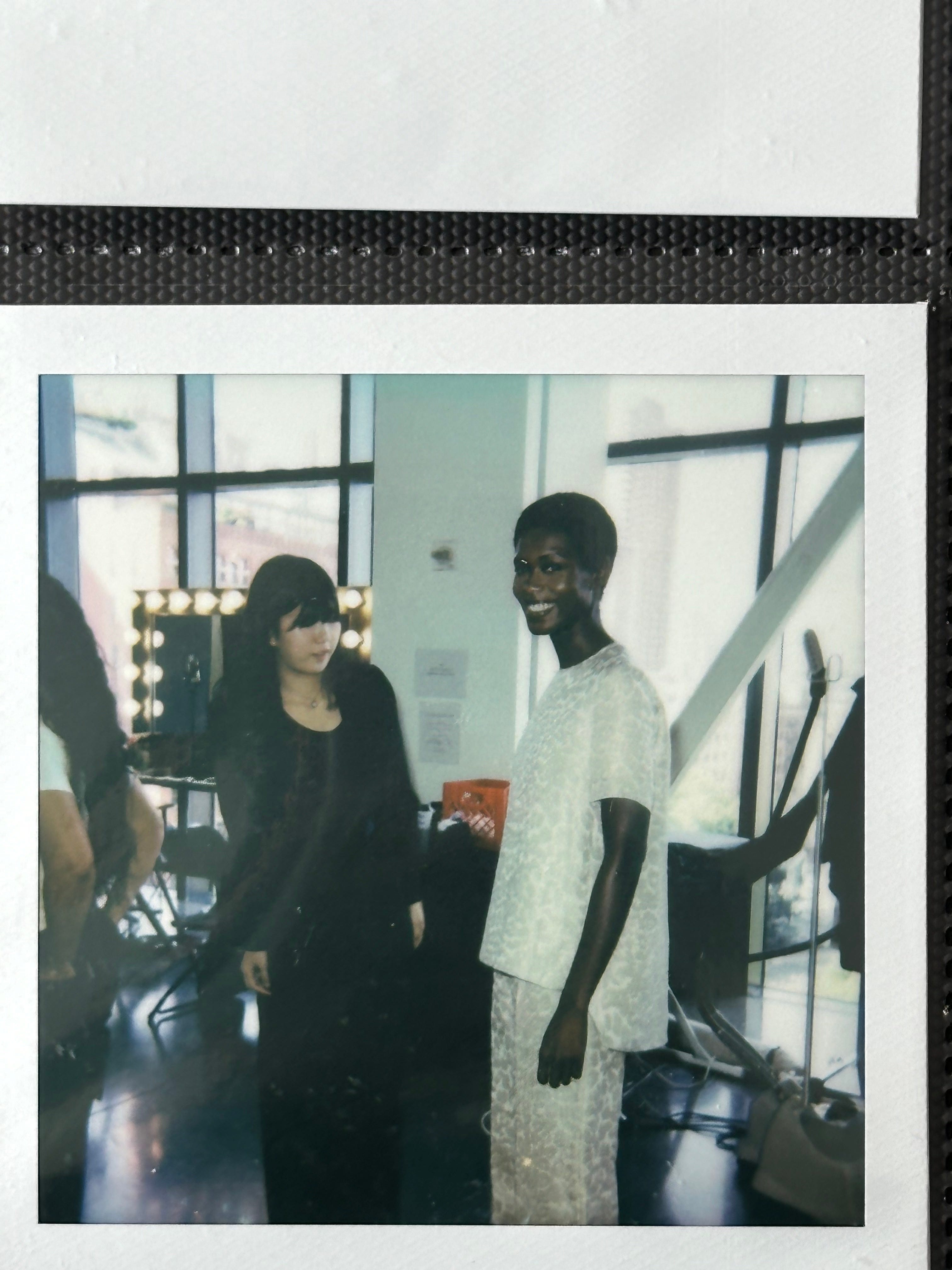
For Yoonjung Cho, the surprise wasn’t finding work. It was realizing creativity wasn’t always the job.
Cho, a Korean FIT sportswear graduate now working at 32 Degrees, imagined fashion through vintage references, museums, travel, and history. Her thesis trench coat combined her mother’s artwork with Korean aesthetics and elements of traditional Korean clothing—a piece that felt deeply personal while remaining wearable. Then she entered the industry.
“In school, every professor treated us as individual designers,” she says. “In the industry, you sort of have to fit in that environment and become a team.” Creativity, she learned, isn’t always “the main part of the industry.”
The realization wasn’t entirely discouraging. It simply shifted her understanding of what professional design required. The work became less about personal expression and more about collaboration, systems, and practicality.
So she schedules creativity. “After work, you just want to relax,” Cho says, but every week, she gives herself one day to leave the apartment, sit in a café or library, visit an exhibition, and draw. “I’m really trying to put myself in certain environments that I have to design.”
As she prepares her own label, Cho isn’t interested in fashion as spectacle. She wants to make clothes for people to really live in and hold in their closets.
Ask either designer what they want next. Neither answer has much to do with virality or becoming fashion’s next big name. Shrestha talks about Nepali craftsmanship. Cho talks about clothes people actually wear—not just statement pieces.
Maybe that’s what happens after fashion school. The dream doesn’t disappear. It becomes more specific. Fashion school teaches young designers how to enter the industry. Their first jobs teach them the slow work of bringing the art closer again.
Great piece. Hadnt thought about the art living farther from the entry-level job that way.